كيفية تصميم عبوات زجاجية مخصصة لمستحضرات التجميل؟
Mar 20, 2026
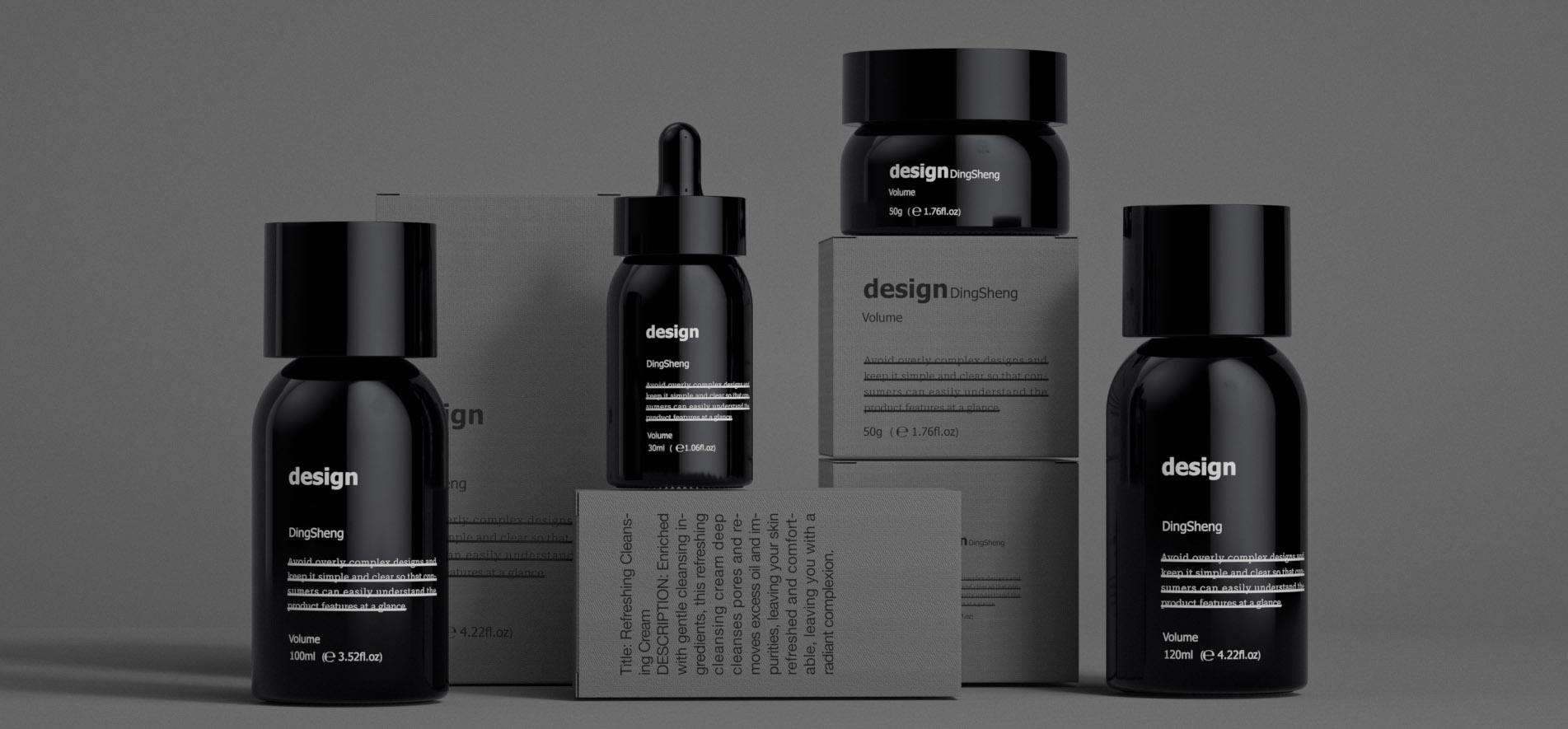
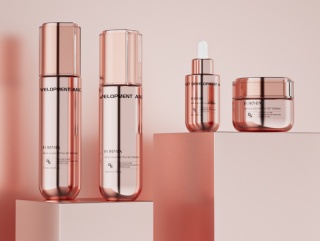
في صناعة التجميل والعناية بالبشرة شديدة التنافسية، تُعدّ عبوة منتجك أكثر من مجرد حاوية، فهي بمثابة مندوب مبيعات صامت. فقبل أن يلمس العميل ملمس كريم الوجه أو يشمّ رائحة السيروم، يتفاعل مع العناصر البصرية واللمسية للعبوة. لذا، سواءً للعلامات التجارية الناشئة أو الشركات الراسخة، يُعدّ اختيار تصميم متناسق أمرًا بالغ الأهمية. مجموعة زجاجات مستحضرات التجميل غالباً ما يكون القرار الأولي الأكثر أهمية في تطوير المنتج، لأنه يضع الأساس المادي لهوية علامتك التجارية.مع ذلك، نادرًا ما يكفي شراء زجاجات زجاجية عادية جاهزة لجذب انتباه المستهلكين. للتميز حقًا على أرفف المتاجر ومنصات التواصل الاجتماعي، تحتاج إلى تحويل هذه الزجاجات الفارغة إلى منتجات حصرية تحمل علامتك التجارية. سيرشدك هذا الدليل الشامل خلال عملية تخصيص العلامات التجارية الخاصة (OEM/ODM) بالكامل، موضحًا كيف يمكن للمعالجات السطحية المتقدمة أن ترتقي بعبوة زجاجية عادية إلى تحفة فنية في عالم التغليف. فهم نماذج التغليف الخاصة بمصنعي المعدات الأصلية (OEM) ومصنعي التصميم الأصلي (ODM).قبل الخوض في جوانب التصميم، من الضروري فهم كيفية عمل تخصيص عبوات مستحضرات التجميل على مستوى التصنيع. عند الشراء من مصنع، ستجد عادةً نموذجين رئيسيين: تصنيع المعدات الأصلية (OEM) وتصميم المنتجات الأصلية (ODM).مصنّع المعدات الأصلية (OEM): في سيناريو تصنيع المعدات الأصلية، تُقدّم العلامة التجارية تصميمًا ثلاثي الأبعاد أصليًا بالكامل لشكل زجاجة جديد. ثم يقوم المصنع بتصنيع قالب فولاذي مخصص لهذا التصميم. ورغم أن هذا يضمن شكلًا فريدًا بنسبة 100%، إلا أنه يتطلب استثمارًا أوليًا كبيرًا في رسوم القوالب، وفترات انتظار أطول لتصنيع الأدوات، وكميات طلب دنيا أعلى بكثير.التصنيع الأصلي للتصميم (ODM) والعلامات التجارية الخاصة: يُعدّ هذا الخيار الأكثر شيوعًا وفعالية من حيث التكلفة بالنسبة لغالبية علامات العناية بالبشرة. تمتلك المصانع مئات القوالب الزجاجية عالية الجودة والمتوفرة مسبقًا بأشكال وأحجام متنوعة (أسطوانات، مربعات، قوالب بوسطن الدائرية). تختار العلامات التجارية تصميمًا جاهزًا وتضيف إليه معالجات سطحية وشعارات مخصصة.تتيح لك العلامات التجارية الخاصة تحقيق مظهر حصري ومخصص للغاية دون التكاليف الباهظة لفتح قوالب جديدة، مما يسمح لك بتخصيص المزيد من الميزانية لتزيين الأسطح المتميزة وتسويق المنتجات. رحلة التخصيص خطوة بخطوةيُعدّ تصميم عبوات منتجاتك عملية تعاونية بين علامتك التجارية ومصنع تصنيع الزجاج. إليك ما تبدو عليه العملية عادةً:الخطوة 1: اختيار الحاويات الأساسيةالخطوة الأولى هي اختيار العبوات الأساسية التي ستحتوي على تركيباتك. يتضمن ذلك اختيار السعات المناسبة (مثلاً، 30 مل للسيروم، 50 غ أو 100 غ للكريمات، 120 مل للتونر) والشكل المناسب للعبوة الزجاجية. يُنصح بشدة باستخدام الزجاج ذي الجدران السميكة (القاعدة السميكة) لأنه يوفر متانة هيكلية ووزنًا فاخرًا عند حمله.الخطوة الثانية: تصميم السطح والطباعةبعد اختيار الزجاجات والبرطمانات، سيبدأ فريق التصميم العمل على التصميم الفني. يشمل ذلك وضع الشعار، ونوع الخط المستخدم في أسماء المنتجات، وقوائم المكونات، وتعليمات الاستخدام. تتطلب المصانع هذه التصاميم بصيغة متجهة (مثل ملفات Adobe Illustrator .AI أو .EPS) لضمان طباعة واضحة وعالية الدقة على الأسطح الزجاجية المنحنية.الخطوة 3: اختيار معالجات الأسطحهنا تبدأ المتعة. سيقوم المصنع بتطبيق تقنيات زخرفية متنوعة (مفصلة في القسم التالي) لتلوين الزجاج وتشكيله ووضع علامته التجارية عليه وفقًا لأهدافك الجمالية.الخطوة الرابعة: تصميم النماذج الأولية وأخذ عينات ما قبل الإنتاجقبل بدء الإنتاج بكميات كبيرة، يقوم مورد موثوق بإنشاء عينة ما قبل الإنتاج. يتيح لك هذا معاينة الزجاجة المخصصة، والتحقق من تطابق الألوان بدقة (عادةً ما يتم الرجوع إلى رموز بانتون)، وفحص التصاق الشعار المطبوع، والتأكد من أن المضخة أو القطارة مناسبة تمامًا دون أي تسريب.الخطوة الخامسة: الإنتاج الضخم ومراقبة الجودةبمجرد موافقتكم على العينة، يبدأ المصنع الإنتاج الضخم في بيئات غرف نظيفة، مما يضمن أن كل قطعة من مجموعة عبوات مستحضرات التجميل الزجاجية تتطابق مع النموذج الأولي المعتمد من حيث الدقة البصرية والسلامة الوظيفية. السحر يكمن في التفاصيل: استكشاف معالجات الأسطحيكمن السر الحقيقي لتغليف المنتجات ذات العلامات التجارية الخاصة والمخصصة في تزيين السطح. فمن خلال الجمع بين تقنيات مختلفة، يستطيع المصنع جعل نفس الزجاجة الأساسية تبدو مختلفة تمامًا لعلامتين تجاريتين مختلفتين. إليك أهم تقنيات معالجة الأسطح التي يمكنك استخدامها:1. رش الألوان (الطلاء)الزجاج الشفاف جميل، لكن في بعض الأحيان تتطلب علامتك التجارية ألوانًا محددة. تتضمن عملية رش الألوان وضع رذاذ دقيق من الطلاء المخصص على السطح الخارجي أو الداخلي للعبوة الزجاجية، يليه خبز بدرجة حرارة عالية أو معالجة بالأشعة فوق البنفسجية لضمان عدم تقشر اللون أو خدشه.غير لامع أو لامع: مثالي للمكونات الحساسة للضوء (مثل فيتامين سي أو الريتينول) التي تتطلب الحماية من الأشعة فوق البنفسجية.الرش المتدرج: تأثير جميل حيث يتلاشى اللون من اللون الصلب في الأسفل إلى اللون الشفاف في الأعلى، وهو شائع للغاية في خطوط العناية بالبشرة الحديثة.الطلاء الشفاف: يضيف لونًا خفيفًا (مثل الكهرماني الناعم أو الأزرق الباهت) مع السماح للمستهلك برؤية مستوى المنتج في الداخل.2. التجميد (النقش الحمضي)يُضفي التجميد على الزجاج مظهرًا أنيقًا ضبابيًا يُشبه زجاج البحر. ويتم ذلك عادةً بغمر الزجاج في حمام حمضي خاص يُحدث نقشًا مجهريًا على سطحه. يوفر الزجاج المُجمد ملمسًا ناعمًا وجميلًا، وينشر الضوء بأناقة، كما أنه يُخفي بصمات الأصابع.3. الطلاء الكهربائي والتغطية المعدنية بالأشعة فوق البنفسجيةعندما يكون الهدف هو تحقيق أقصى درجات الفخامة، فإن الطلاء الكهربائي هو الحل الأمثل. تعمل هذه العملية على ترسيب طبقة رقيقة من المعدن على سطح الزجاج، مما ينتج عنه سطح عاكس للغاية يشبه المرآة. بالنسبة للعلامات التجارية التي تستهدف سوق المنتجات الفاخرة المضادة للشيخوخة أو السوق الراقية، يمكن أن يؤدي طلاء الجسم بالكامل بالمعدن إلى تحويل عبوة بسيطة إلى تحفة فنية. مجموعة زجاجات مستحضرات تجميل فاخرة من الذهب الوردي والورديمما يؤدي على الفور إلى فرض سعر تجزئة أعلى وإيصال رسالة حصرية مطلقة للمستهلك.4. الطباعة بالشاشة الحريريةتُعدّ الطباعة الحريرية المعيار الصناعي الأمثل لتطبيق شعارك ونصوصك ومعلومات مكوناتك مباشرةً على الزجاجة. يُضغط الحبر عبر شاشة شبكية دقيقة على الزجاج، ثم يُخبز ليلتصق الحبر بالسطح. تُنتج هذه التقنية نصًا واضحًا ومتينًا وسهل القراءة. يمكنك اختيار الطباعة الحريرية أحادية اللون أو متعددة الألوان حسب مدى تعقيد تصميم علامتك التجارية.5. الختم الساخنإذا كنت ترغب في أن يتألق شعارك حقًا، فإن الطباعة الحرارية ضرورية. تستخدم هذه التقنية الحرارة والضغط لنقل طبقة من رقائق معدنية (عادةً ما تكون ذهبية أو فضية أو ذهبية وردية أو نحاسية) إلى الزجاج. عند دمجها مع خلفية غير لامعة أو مصنفرة، يخلق الشعار المطبوع حراريًا تباينًا بصريًا لافتًا يعكس جودة فائقة.6. الطباعة بنقل الماء (الطباعة المائية)بالنسبة للعلامات التجارية التي تبحث عن أنماط معقدة - مثل تأثيرات الرخام أو حبيبات الخشب أو الفن التجريدي المعقد - تسمح الطباعة بنقل الماء بتطبيق تصميمات تغطي كامل السطح بشكل مثالي على الأسطح المنحنية للزجاجات والجرار. مواءمة التغليف مع هوية علامتك التجاريةكيف تختار المزيج الأمثل من هذه التقنيات؟ الأمر كله يعتمد على مكانة علامتك التجارية والفئة المستهدفة من الجمهور:العلامات التجارية المتخصصة في المستحضرات الطبية والجلدية: عادةً ما تختار الزجاج الشفاف أو المصنفر بلون كهرماني مع طباعة حريرية بسيطة بلون واحد. ينصب التركيز على الجانب العلمي والمكونات، لذا يجب أن تبدو العبوة معقمة واحترافية وشفافة.العلامات التجارية الفاخرة والمضادة للشيخوخة: غالباً ما تستخدم الزجاج السميك، والألوان الغنية المعتمة (الأحمر الداكن، والأزرق الليلي)، واللمسات المعدنية المطلية بالكهرباء، والختم الذهبي الأنيق. يجب أن يكون ملمس العبوة ثقيلاً وفاخراً.الجمال النظيف والعلامات التجارية المستدامة: يُولي المستهلك العصري اهتمامًا كبيرًا بالبيئة. إذا كانت فلسفة علامتك التجارية تتمحور حول الاستدامة والمكونات النظيفة، فاختر عبوة غير مطلية، أو شفافة تمامًا، أو ذات طبقة خفيفة غير لامعة. زجاجة مستحضرات تجميل صديقة للبيئة يساهم استخدام الطباعة البسيطة أحادية اللون في تقليل الأثر البيئي مع الحفاظ على جمالية التصميم البسيط المرغوبة. الزجاج نفسه قابل لإعادة التدوير بلا حدود، مما يجعله الخيار الأمثل للعلامات التجارية الصديقة للبيئة. حوّل رؤيتك إلى واقعيُعدّ تخصيص عبوات مستحضرات التجميل الزجاجية استثمارًا استراتيجيًا في مستقبل علامتك التجارية. فهو يُميّز منتجك في سوق مزدحمة، ويحمي تركيباتك الحساسة، ويُوفّر تجربة لمسية تُسعد عملاءك في كل مرة يُمارسون فيها روتين العناية بالبشرة.لستَ بحاجةٍ لأن تكون خبيرًا في التصنيع لتحقيق نتائج مذهلة؛ كل ما تحتاجه هو شريك تغليف مناسب. سواءً كنتَ تتخيل مجموعةً بسيطةً ذات مظهرٍ غير لامع لخط منتجات التجميل النظيفة الخاص بك، أو مجموعةً معدنيةً براقةً لسيروماتك الفاخرة، فإن إمكانيات التخصيص لا حدود لها.هل أنت مستعد لتحويل سطح زجاجي فارغ إلى هوية علامتك التجارية المميزة؟ ابدأ اليوم. أرسل لنا شعار علامتك التجارية (بصيغة AI أو PDF) مع وصف موجز لسوقك المستهدف ونظام الألوان المفضل لديك. سيقوم فريقنا من مهندسي ومصممي التغليف ذوي الخبرة بمراجعة متطلباتك، واقتراح أفضل خيارات معالجة الأسطح، وتقديم تقييم احترافي لتحويل رؤيتك الفريدة إلى واقع ملموس. لنبني معًا تجربة علامة تجارية لا تُنسى.




 الشبكة المدعومة