ميكانيكا الزجاج: السلامة الهيكلية وتفاوتات الإنتاج في تغليف العطور
Jun 05, 2026
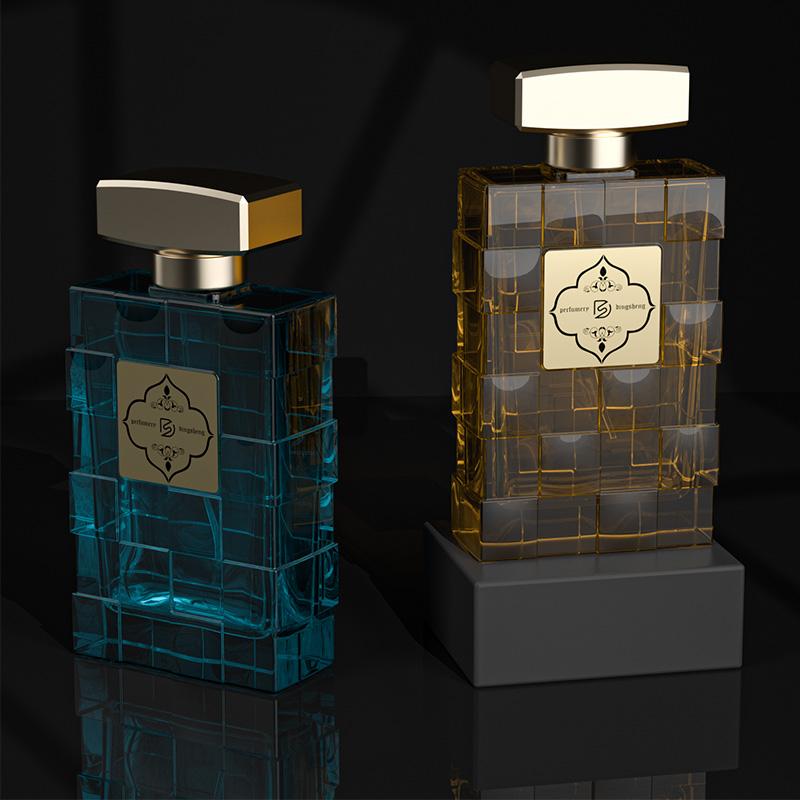
الخدمات اللوجستية للأبعاد وتحسين استخدام المنصاتيمثل نقل الحاويات الزجاجية الفارغة عبر سلاسل التوريد العالمية تحديات كبيرة تتعلق بالحجم وتوزيع الوزن. يجب على فرق العمليات وسلاسل التوريد حساب الكثافة النوعية للزجاج ومقارنتها بالحدود المسموح بها لحاويات الشحن وأنظمة رفوف المستودعات. تصل أحجام الزجاج الثقيلة إلى أقصى حدود وزن النقل قبل أن تشغل كامل سعة وحدة الشحن القياسية. إن فهم حدود الوزن هذه، وكيفية تأثير شكل الزجاجة على ترتيبها داخل الحاويات وتعبئتها في الكرتون المموج، يمكّن مخططي الخدمات اللوجستية من زيادة حمولة كل حاوية إلى أقصى حد دون تجاوز قيود وزن النقل الصارمة. علاوة على ذلك، تُعرّض عملية النقل الأوعية الزجاجية الفارغة لاهتزازات مستمرة منخفضة التردد. وعندما تتكدس القطع الزجاجية الثقيلة بجوار بعضها في صناديق التغليف، يتسبب هذا الاهتزاز في احتكاك بين الزجاج، مما ينتج عنه علامات خدش واضحة تُفسد المظهر الجمالي. ولمعالجة هذه المشكلة، يضع المصنّعون طبقة رقيقة من طلاء التبريد - عادةً ما يكون مستحلبًا من البولي إيثيلين - عند خروج الزجاجات من فرن التبريد. يُقلل هذا الطلاء غير المرئي بشكل كبير من معامل الاحتكاك على سطح الزجاج، مما يسمح للزجاجات بالانزلاق بسلاسة على خطوط الفحص عالية السرعة، ويمنع التلف الناتج عن الاحتكاك أثناء النقل الدولي المطوّل.الميكانيكا الإنشائية ومقاومة الصدمات الناتجة عن السقوطفي مجال تغليف مستحضرات التجميل، تُعدّ المتانة المادية أثناء النقل والاستخدام من قِبل المستهلك معيارًا بالغ الأهمية للجودة. وتعتمد البنية الميكانيكية للوعاء الزجاجي بشكل كبير على توزيع المادة الأولية أثناء عملية التشكيل بالضغط العالي. ويُعدّ ضمان سماكة متساوية للجدار أمرًا بالغ الأهمية للحفاظ على القوة الميكانيكية ومنع ظهور نقاط ضعف موضعية. عند تحليل زجاجة عطر مربعة من الزجاج السميك القاعيستخدم مهندسو الإنشاءات تحليل العناصر المحدودة واختبارات السقوط الفيزيائية لقياس توزيع طاقة الصدمة. تعمل الكتلة الكبيرة المتراكمة في القاعدة على خفض مركز الثقل بشكل ملحوظ. وبينما يمنع هذا التصميم بطبيعته الانقلاب أثناء عملية التعبئة الآلية، فإنه يُغير أيضًا كيفية انتقال الطاقة الحركية عبر الحاوية عند الاصطدام. وللحد من احتمالية حدوث انهيار هيكلي، تُجري مصانع الإنتاج اختبارات صارمة للصدمات الحرارية واختبارات السقوط وفقًا لبروتوكولات ضمان الجودة الموحدة، مما يضمن عدم تسبب القاعدة الثقيلة في إجهاد مفرط على الجدران الجانبية الرأسية الرقيقة. فئة الاختبارالمنهجيةالمتطلبات القياسيةنمط الفشل الأساسيالصدمة الحراريةانتقال مفاجئ في درجة الحرارة بمقدار 42 درجة مئويةمعدل الكسر 0.0%التلدين غير الكاملتأثير السقوطسقوط حر من ارتفاع 1.2 متر على صفيحة فولاذية صلبةالبقاء على قيد الحياة عبر ثلاثة محاوركسر القص في الزاوية السفليةالضغط الداخلياختبار الضغط التدريجي الهيدروستاتيكيمقاومة أكبر من 0.8 ميجا باسكالتمزق ناتج عن تباين سمك الجدار إدارة المساحة الفارغة في الأوعية ذات الحجم الكبيريؤدي توسيع نطاق المنتجات ليشمل أحجامًا أكبر إلى إدخال اعتبارات ديناميكية خاصة بالسوائل أثناء عملية التعبئة الآلية. عند دمج زجاجة عطر شفافة ذات سعة كبيرة في خطوط الإنتاج عالية السرعة، يجب على مهندسي التغليف حساب مساحة الفراغ العلوي بدقة متناهية. مساحة الفراغ العلوي هي الحجم الفارغ المحسوب المتبقي أعلى العبوة بعد ملئها بالكمية المحددة من السائل (بالأونصة). هذا الفراغ ضروري لوظيفة ميكانيكية أساسية وليس مجرد خيار جمالي. تتمدد السوائل وتنكمش مع تغيرات درجة الحرارة المحيطة أثناء التخزين في المستودعات ونقلها للمستهلكين. وبدون وجود مساحة كافية في الخزان، يُولّد التمدد الحراري لحجم 100 مل أو أكثر من السائل ضغطًا هيدروليكيًا شديدًا على البخاخ المُحكم والغطاء الزجاجي الداخلي للعنق. ويؤدي هذا الضغط حتمًا إلى تسربات دقيقة، أو تعطل المضخة، أو كسر رأسي في العنق الزجاجي. بالإضافة إلى ذلك، تتطلب الخزانات ذات السعة الأكبر سرعات فوهة مُعدّلة وفوهات غاطسة مُخصصة في آلات التعبئة لمنع تهوية السائل. ويؤدي تكوّن الرغوة المفرط إلى قراءة خاطئة لمستوى التعبئة بواسطة مستشعرات الخط البصرية، مما يؤدي إلى الرفض التلقائي لوحدات إنتاج صالحة تمامًا. السعة السائلة المعلنةهدفنا هو تحقيق القدرة الكاملةالنسبة المئوية للمساحة الرأسية المطلوبةتفاوت التعبئة المقبول30 مل33.5 مل10.4%± 1.5 مل50 مل55.0 مل9.0%± 2.0 مل100 مل108.5 مل7.8%± 3.0 مل التسطيح الطبوغرافي وتسجيل الطباعةيتطلب الحصول على زخرفة ثانوية دقيقة وخالية من العيوب استواءً تامًا لسطح الطباعة. توفر الحاويات الأسطوانية سطحًا متواصلًا للتدحرج، مما يسمح بالطباعة الدوارة السريعة والمتواصلة. في المقابل، تُدخل التصاميم المستطيلة أسطحًا مستوية وزوايا حادة تعيق التطبيق الميكانيكي المتواصل وتتطلب آلات زخرفة مختلفة تمامًا. عند استخدام زجاجة عطر فاخرة مربعة شفافةتعتمد عملية التزيين على الطباعة بالشاشة المسطحة أو محطات الطباعة الوسيطة المستقلة لكل وجه زجاجي على حدة. ويتم مراقبة التفاوتات الفيزيائية اللازمة لتحقيق "التسطيح" الأمثل لهذه الأسطح الزجاجية بدقة متناهية. فإذا انحنى الوجه الزجاجي للداخل أو برز بشكل محدب ولو بجزء بسيط من المليمتر، فإن أداة تطبيق الحبر الخزفي ستتعرض لضغط غير متساوٍ، مما يؤدي إلى تشوه الكتابة، وبهتان شعارات العلامات التجارية، أو عدم محاذاة الألوان المتعددة. وتستخدم مرافق التصنيع المتطورة تقنية المسح الضوئي بالليزر للتحقق من استواء كل وجه زجاجي هندسيًا قبل دخوله إلى وحدة التزيين، حيث يتم استبعاد الوحدات التي تتجاوز الحد المسموح به للانحراف الطبوغرافي. التلدين والتحقق من الإجهاد المتبقيتُسبب عملية تحويل السيليكا المنصهرة إلى وعاء صلب إجهادًا حراريًا شديدًا. فعندما يخرج الوعاء الزجاجي من آلة التشكيل عند درجات حرارة تتجاوز 600 درجة مئوية، تبرد الجدران الخارجية وتتقلص بمعدل أسرع بكثير من اللب الداخلي. وإذا تُرك ليبرد في درجة حرارة الغرفة، فإن هذا الانكماش التفاضلي يُجبر الزجاج على التحطم تلقائيًا. فرن التلدين عبارة عن نفق مُعاير بدقة عالية ومُتحكم بدرجة حرارته، مُصمم لتبريد الزجاج تدريجيًا، مما يسمح بتساوي درجات الحرارة الداخلية والخارجية على مدار عدة ساعات. تتحقق فرق ضمان الجودة من نجاح عملية التلدين باستخدام جهاز الاستقطاب. عند النظر تحت الضوء المستقطب، يظهر الإجهاد المتبقي داخل مصفوفة الزجاج على شكل نطاقات بصرية مميزة ذات ألوان زاهية. إذا رصد فريق ضمان الجودة أنماط إجهاد كبيرة - خاصة حول الزوايا الحادة أو قواعد الزجاج السميكة - يجب إعادة تلدين الدفعة بأكملها أو التخلص منها. تعمل هذه الإجهادات الداخلية كخطوط صدع هيكلية غير مرئية تُؤثر بشدة على السلامة الفيزيائية للوعاء أثناء عمليات التغطية تحت ضغط عالٍ. درجة إجهاد المنظار الاستقطابيمؤشر مرئي (ضوء مستقطب)الحالة التشغيليةالإجراء المطلوبالصف الأول - الثانيإضاءة خافتة رمادية إلى بيضاءموافقةانتقل إلى الزخرفة الثانويةالصف الثالث - الرابعخطوط صفراء إلى برتقالية فاتحةخط الحدودالحجر الصحي وتصعيد أخذ عينات اختبار السقوطالصف الخامس فما فوقخطوط هندسية حادة باللون الأحمر أو الأزرق أو الأخضرمرفوضقم بسحق الدفعة وتحويلها إلى زجاج مكسور لإعادة صهرها التفاوتات الأبعادية في تشطيبات رقبة الجيتاريعتمد التفاعل بين عنق الزجاجة الصلب وغطاء البخاخة كلياً على دقة متناهية تصل إلى الميكرومتر. يجب أن تتطابق حلقة التثبيت الخارجية للزجاجة تماماً مع الحشية الداخلية للغطاء لضمان إحكام دائم ومنع تسرب الهواء. يعتمد مهندسو التغليف على رسومات فنية دقيقة تحدد أبعاد "T" (القطر الخارجي)، و"E" (قطر القاعدة)، و"H" (الارتفاع من سطح الإغلاق). قد يؤدي انحراف بمقدار 0.2 مليمتر في القطر الداخلي (البعد "I") إلى منع إدخال أنبوب الغمس البلاستيكي بشكل صحيح، مما يتسبب في تعطل آلة التغطية وتوقف خط الإنتاج بالكامل. في المقابل، إذا تم تصنيع حلقة القفل الخارجية بحجم أصغر قليلاً من المطلوب، فلن تتمكن حلقة التثبيت من طي حلقة الألومنيوم بإحكام كافٍ على الزجاج. يؤدي هذا التفاوت غير الدقيق إلى الإضرار بإحكام الإغلاق الفراغي، مما يسمح بتسرب الأكسجين وتبخر السائل. يضمن الرصد البصري المستمر باستخدام كاميرات تصوير عالية السرعة على خط الإنتاج أن كل طرف من أطراف العنق يطابق تمامًا الأبعاد المحددة، مما يضمن التكامل السلس مع أنظمة التعبئة الآلية.




 الشبكة المدعومة