دليل شراء عبوات كريمات العناية بالبشرة الزجاجية وأنظمة الإغلاق
May 09, 2026
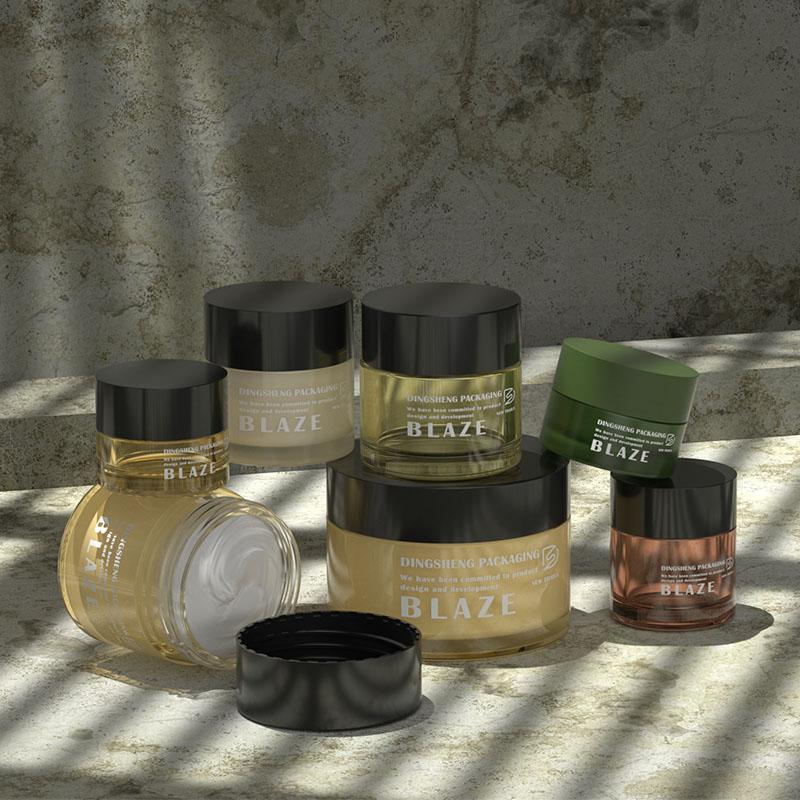
تتطلب المستحلبات الكثيفة، بما في ذلك كريمات الليل، وجل العيون، وزبدة الجسم، عبوات ذات فتحة واسعة لتسهيل استخدامها من قبل المستهلك، مع الحفاظ على حاجز محكم ضد التلف الناتج عن العوامل الجوية. بالنسبة لهذه التركيبات عالية اللزوجة، يبقى الوعاء الزجاجي هو الخيار الأمثل والأكثر موثوقية. يوفر الزجاج خمولًا كيميائيًا تامًا، مما يمنع تسرب أي مواد ملدنة إلى طبقات الدهون في المنتج التجميلي. مع ذلك، فإن الحصول على هذه العبوات لا يقتصر على اختيار شكل جذاب فحسب، بل يجب على المشترين مطابقة جسم الزجاج بدقة مع آلية إغلاق محكمة لمنع فقدان الرطوبة وتأكسد المنتج خلال فترة صلاحية طويلة. عند اختيار عبوات لخط إنتاج جديد للعناية بالبشرة، يجب على مديري المشتريات تقييم الأبعاد الداخلية للعبوة، ونوعية سنّ اللولب في غطاء العبوة، وتركيبة مواد بطانة الغطاء. أي خلل في هذه المكونات سيؤدي إلى جفاف المنتج، وتغير لزوجته، وشكاوى فورية من المستهلكين. يوضح هذا الدليل المواصفات الفنية المطلوبة لاختيار أنظمة عبوات موثوقة لإنتاج مستحضرات التجميل تجاريًا.استقرار المستحلب وآليات الإغلاقالبرطمان الزجاجي غير منفذ تمامًا للأكسجين والرطوبة، مما يعني أن نقطة الضعف الوحيدة فيه هي نظام الإغلاق. المستحلبات عبارة عن مخاليط دقيقة من الماء والزيت تُثبَّت بواسطة مواد مستحلبة. إذا كان الإغلاق غير محكم، سيتبخر الماء تدريجيًا. يؤدي هذا التبخر إلى تفكك المستحلب، تاركًا رواسب صلبة متغيرة اللون وغير صالحة للاستخدام في قاع البرطمان. تعتمد سلامة الإغلاق على التفاعل بين خيط الزجاج والغطاء البلاستيكي والبطانة القابلة للانضغاط داخل الغطاء. عند تطبيق عزم الإغلاق في خط الإنتاج، يسحب الغطاء البلاستيكي للأسفل، ضاغطًا البطانة على حافة الزجاج المسطحة (سطح التلامس) للعبوة. إذا كانت حافة الزجاج غير مستوية، أو إذا لم يطبق المصنع عزمًا كافيًا، فستبقى فجوات مجهرية. عند الشراء عبوات زجاجية فارغة لكريمات التجميل بالجملةيجب على المشترين أن يطلبوا من المورد أوراق التفاوتات الأبعاد لضمان تطابق تشطيب عنق الزجاج مع مواصفات الإغلاق القياسية تمامًا، مما يمنع أي تخطي للخيوط أو عدم محاذاة أثناء التغطية الآلية. اختيار مادة بطانة الغطاء المناسبةتُشكّل بطانة الغطاء الحاجز المادي بين المنتج التجميلي والبيئة الخارجية. ويُعدّ اختيار مادة البطانة الخاطئة السبب الرئيسي لتلف تركيبة المنتج في عبوات البرطمانات. تتطلب التركيبات الكيميائية المختلفة خصائص حاجز محددة. فيما يلي تحليل فني لمواد البطانة القياسية ومعدلات نفاذية بخار الماء (MVTR) الخاصة بها. مادة البطانةالانضغاطيةالمقاومة الكيميائيةنوع التركيبة الموصى بهرغوة البولي إيثيلين (PE)عاليمعياركريمات الوجه الأساسية، كريمات اليدين، لوشن منخفض الفعاليةPTFE (التفلون)قليلمرتفع للغايةالمذيبات القوية، والأحماض عالية التركيز، والزيوت النقيةختم الحث الحراري المصنوع من رقائق معدنيةغير متوفر (مذاب)حاجز مطلقالمنتجات التي تتطلب دليلاً على العبث وانعدام انتقال الأكسجينبلاستيسولمعتدلجيدبلسم الشعر الساخن، والزيوت، والشمعيُعدّ رغوة البولي إيثيلين الخيار الأمثل في صناعة كريمات التجميل القياسية نظرًا لقدرتها الممتازة على استعادة شكلها بعد الضغط. فعندما يقوم المستهلك بشد الغطاء أو فتحه، تعود الرغوة إلى شكلها الأصلي، محافظةً على إحكام الإغلاق لعدة أشهر من الاستخدام اليومي. مع ذلك، قد تتمدد رغوة البولي إيثيلين أو تتلف في التركيبات التي تحتوي على زيوت عطرية شديدة التطاير أو مقشرات كيميائية قوية. في هذه الحالات، يصبح استخدام بطانة مغطاة بمادة البولي تترافلوروإيثيلين (PTFE) ضروريًا، على الرغم من ارتفاع تكلفة الوحدة. برطمانات زجاجية شفافة للعناية بالبشرة مع أغطية تستخدم هذه العبوات عادةً أغطية داخلية على شكل أقراص (تُعرف أيضاً باسم "الشرائح") مصنوعة من بلاستيك البولي بروبيلين، توضع مباشرةً على المنتج أسفل الغطاء الرئيسي. يمنع هذا الحاجز الثانوي الكريم من التلطخ على السطح الداخلي للغطاء الرئيسي أثناء النقل، مما يحافظ على مظهر أنيق ونظيف عند فتح المستهلك للعبوة. توحيد معايير القدرة الإنتاجية لتركيبات مستحضرات التجميليُسهم توحيد سعات العبوات الزجاجية في جميع منتجات العلامة التجارية في تبسيط عمليات التصنيع وإدارة المخزون. تُصنّف العبوات الزجاجية حسب سعتها الاسمية (سعة التعبئة المعلن عنها) وسعة الفائض (أقصى سعة سائل عند امتلاء العبوة). ويُراعي الفرق بين هذين المقياسين سطح السائل داخل العبوة، والقرص الداخلي، والتمدد الناتج عن تغيرات درجة الحرارة أثناء النقل. يُعدّ المرطب القياسي سعة 50 مل (1.7 أونصة) هو الحجم الافتراضي عالميًا لمرطبات الوجه اليومية. أما المرطبات سعة 15 مل (0.5 أونصة) فهي مُصممة خصيصًا للعلاجات الموضعية عالية التركيز، مثل كريمات العين أو أقنعة الشفاه. وتُخصص المرطبات كبيرة الحجم، التي تتراوح سعتها بين 100 مل و250 مل، لزبدة الجسم، والمقشرات، وأقنعة الشعر. عند إعداد طلب الشراء، يجب على المشترين التأكد من أن سعة التعبئة الزائدة تزيد بنسبة 10% إلى 15% تقريبًا عن وزن التعبئة المطلوب. فزيادة تعبئة المرطبان عن الحد المسموح به، مع عدم وجود مساحة كافية في الأعلى، ستؤدي إلى تسرب المنتج على خيوط عنق المرطبان أثناء الإغلاق، مما يُتلف الغطاء ويُلوث خط الإنتاج. تشطيب السطح وتركيب الأغطيةبينما يوفر الزجاج الكهرماني والأزرق حماية من الأشعة فوق البنفسجية، تعتمد العديد من ماركات العناية بالبشرة على زجاج الصوان الشفاف لإبراز لون المنتج وملمسه. وللحفاظ على هوية العلامة التجارية المتميزة دون تغيير تركيبة الزجاج، تُطبّق معالجات سطحية ثانوية. يعمل التخريش الحمضي، المعروف باسم التجميد، على تشتيت الضوء وخلق سطح غير لامع ومقاوم لبصمات الأصابع. شراء عبوات زجاجية مصنفرة مخصصة بالجملة لمستحضرات التجميل يتطلب الأمر تنسيقًا دقيقًا فيما يتعلق بتصميم الغطاء. عادةً ما يُستخدم مع البرطمان المصنفر غطاء من البولي بروبيلين المصبوب بالحقن غير اللامع أو غطاء مغلف بالألومنيوم. غالبًا ما تُعطي الأغطية البلاستيكية اللامعة القياسية مظهرًا غير متناسق وغير رخيص عند استخدامها مع الزجاج المصنفر. يجب على فرق المشتريات طلب عينات ما قبل الإنتاج للوحدة المُجمَّعة بالكامل - الزجاج، والقرص، والبطانة، والغطاء - لتقييم الملمس والتناسق البصري قبل الموافقة على الإنتاج بكميات كبيرة. متغيرات الشحن والتعبئة على المنصاتتُشكّل الكثافة العالية للزجاج تحديات لوجستية كبيرة. فعلى عكس العبوات البلاستيكية، تحمل البرطمانات الزجاجية الفارغة وزنًا زائدًا كبيرًا، مما يزيد من تكاليف الشحن. علاوة على ذلك، يتطلب خطر الكسر أثناء النقل تغليفًا ثانويًا متينًا. عادةً ما يستخدم التغليف المصنعي للبرطمانات الزجاجية فواصل كرتونية صلبة مموجة لعزل كل وحدة داخل الكرتون الرئيسي، مما يمنع اصطدام الزجاج بالزجاج أثناء الشحن البحري أو النقل البري. يجب على المشترين حساب أبعاد المنصات الخشبية وارتفاعات تكديس الكراتين بدقة. تتميز حاوية الشحن القياسية 40HQ بحدود دقيقة للحجم والوزن. يتطلب تحقيق أقصى استفادة من حمولة الحاوية دون تجاوز حدود وزن المنصات الخشبية بيانات دقيقة للوزن الإجمالي من الشركة المصنعة. يؤدي استخدام مرطبانات زجاجية ذات قاعدة سميكة (تتميز بقاعدة زجاجية سميكة لإضفاء لمسة جمالية فاخرة) إلى تقليل عدد الوحدات التي يمكن شحنها في كل حاوية بشكل كبير بسبب قيود الوزن، مما يؤثر بشكل مباشر على التكلفة النهائية للوحدة الواحدة. يجب على مديري سلسلة التوريد مراعاة هذه العوامل المتعلقة بالشحن في تحليل التكلفة الأولي عند اختيار أشكال المرطبانات.




 الشبكة المدعومة